EL ECO DE LA IMAGEN

Del arte digital al generativo con IA

/

“La condición de la imagen se redefine en un contexto donde su existencia deja de depender de un objeto. En este espacio, puede simular comportamientos propios de la materia sin poseerlos, desplazando la experiencia de lo material hacia el ámbito de la percepción. Lejos de constituir una ruptura, la inteligencia artificial, en su dimensión generativa, prolonga las transformaciones iniciadas por el arte digital, ampliando un campo en el que los lenguajes se vuelven permeables y las jerarquías se diluyen. En este escenario, el valor de la obra no reside en su soporte, sino en su capacidad de activar una experiencia que reconfigure la relación entre imagen, materia y realidad.”

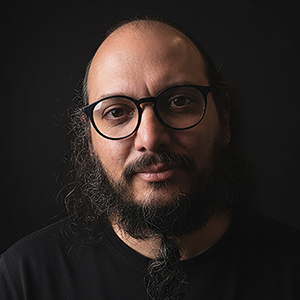
Retrato de YOel Almaguer

YOel Almaguer

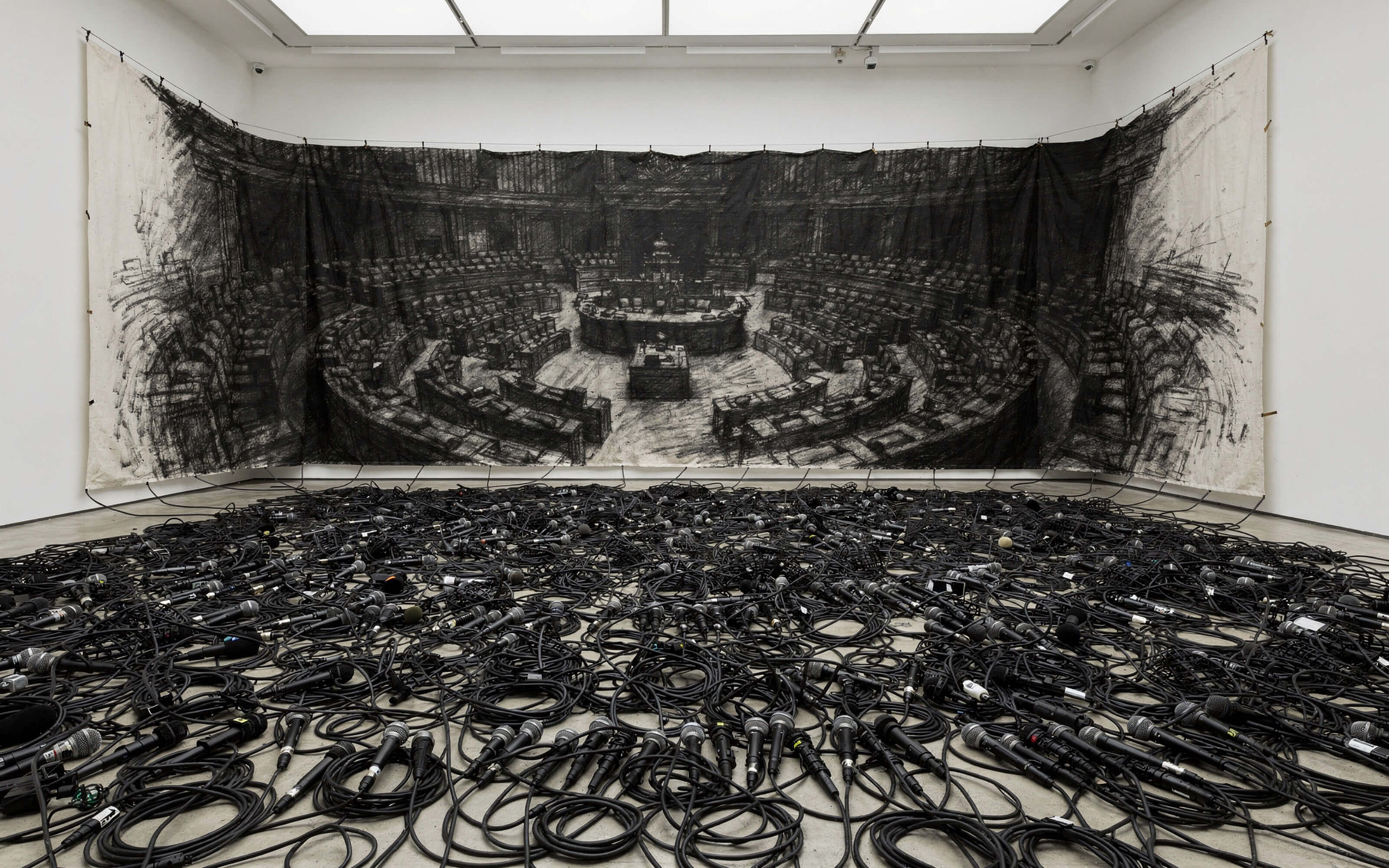
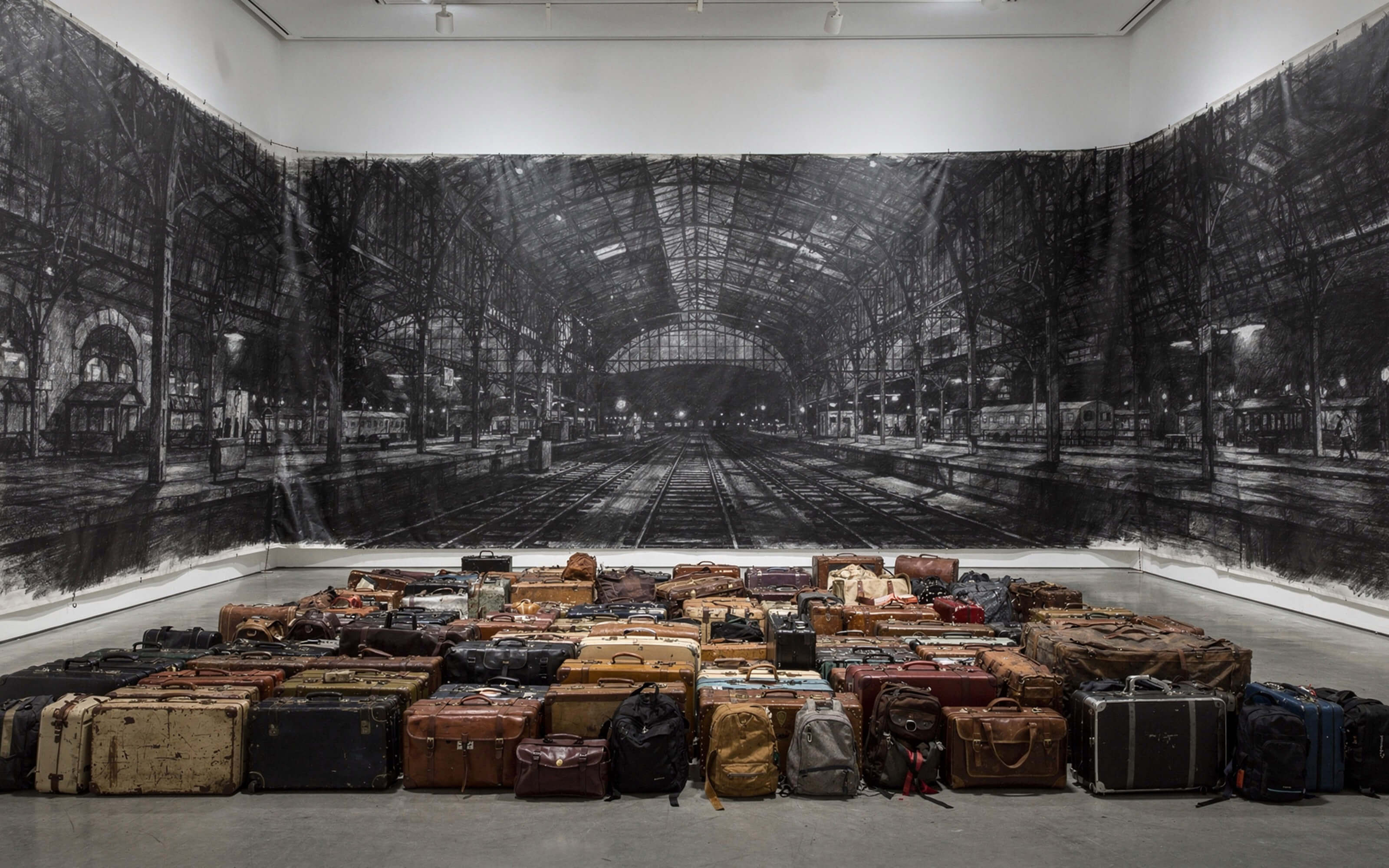
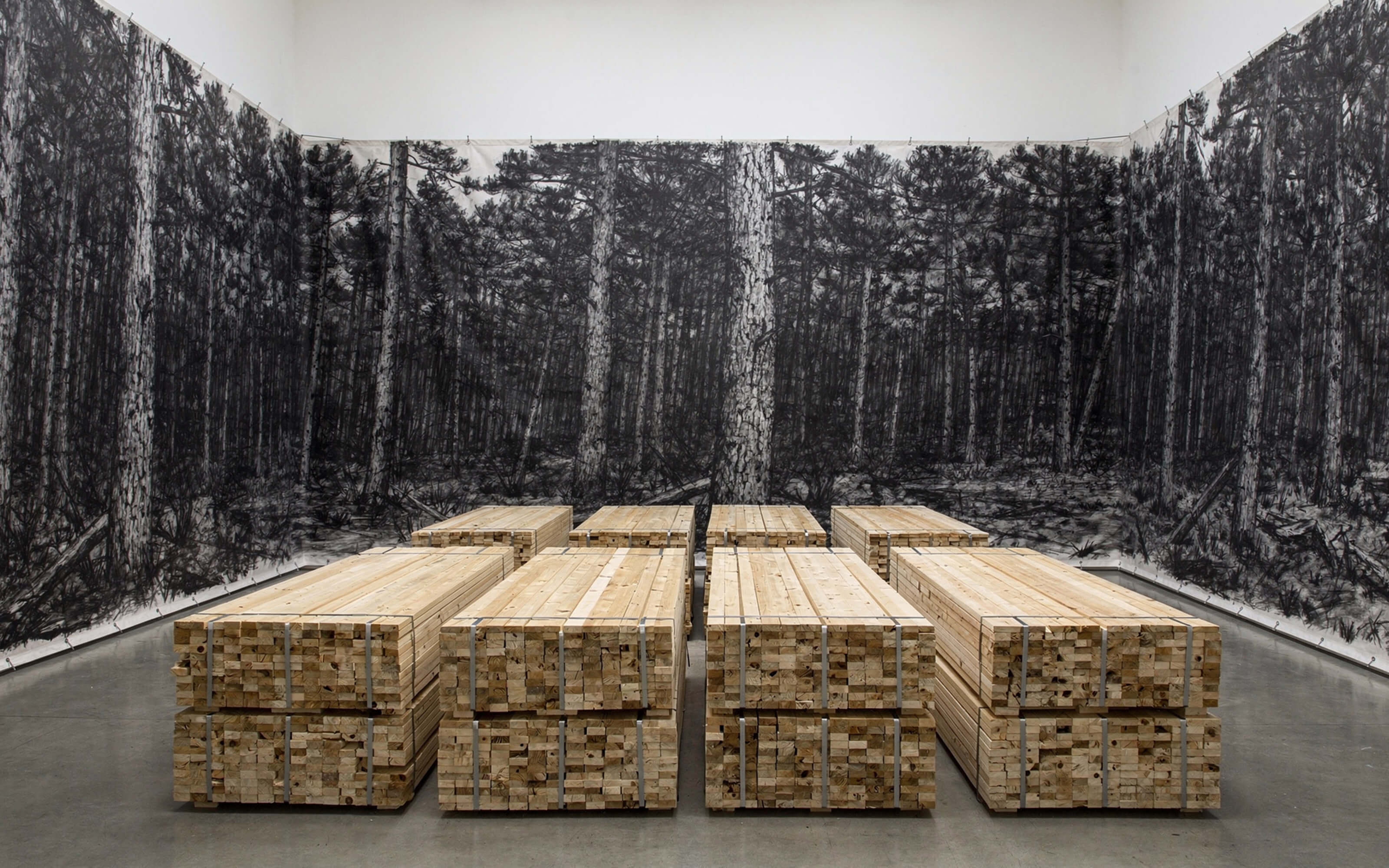
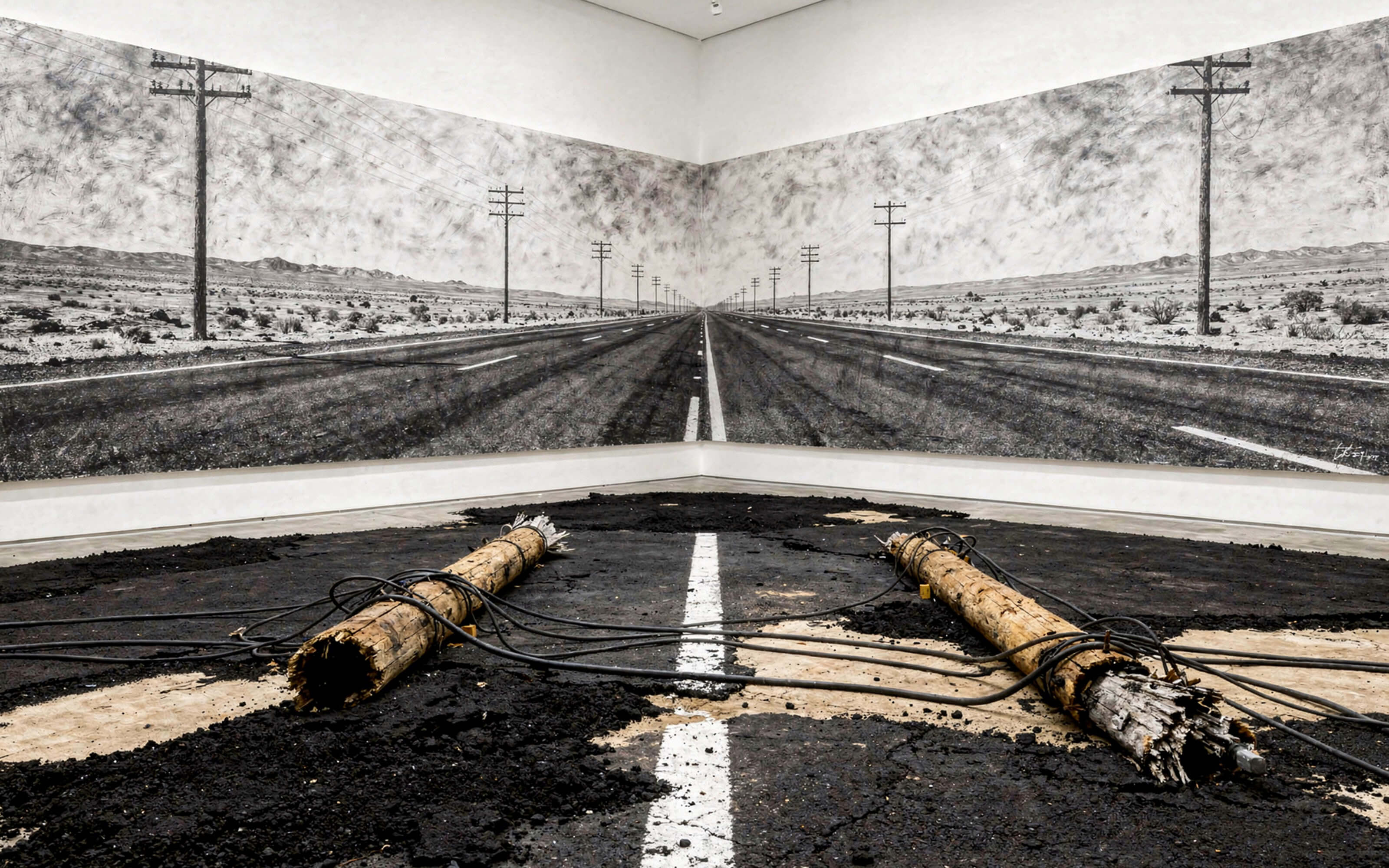
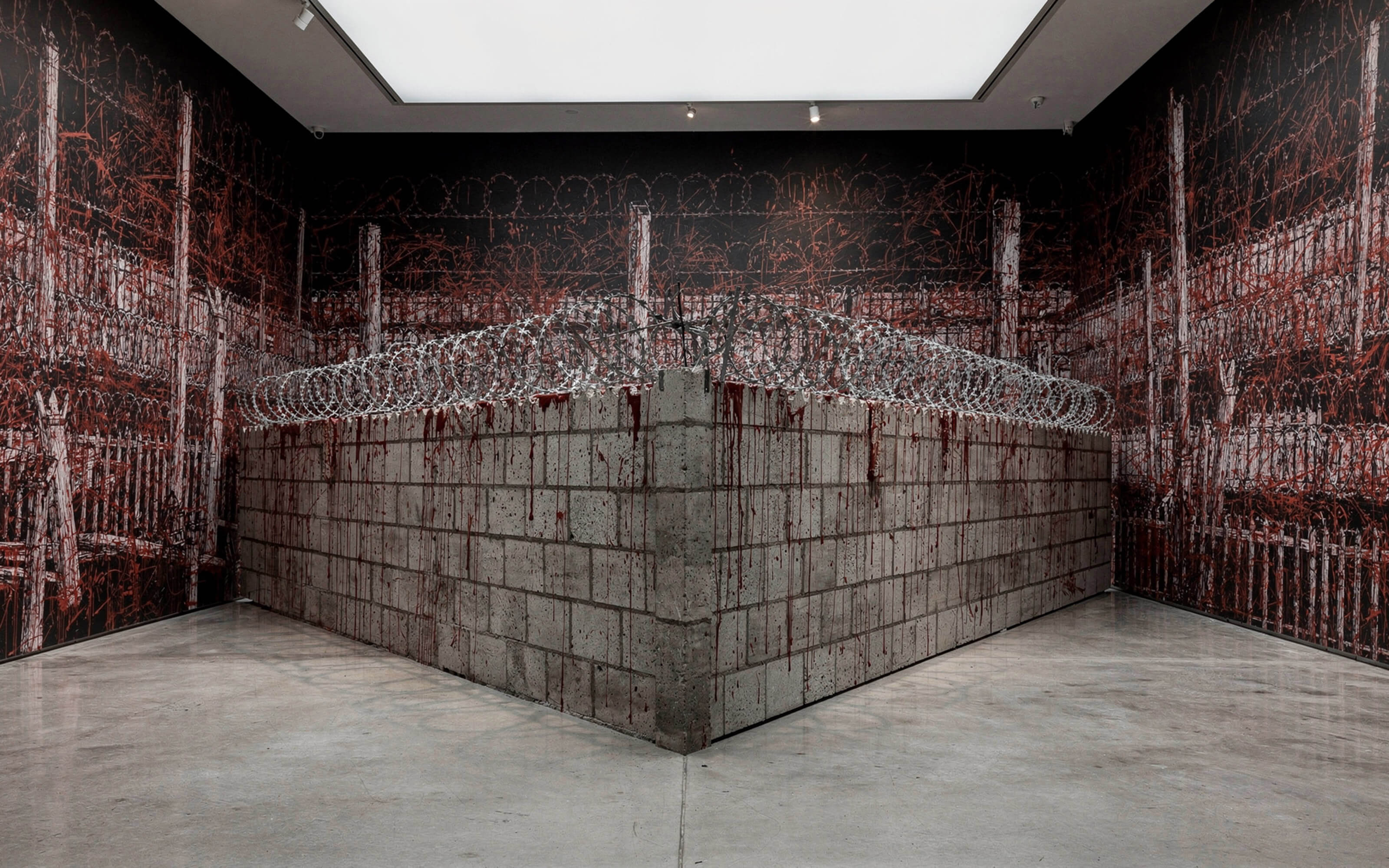
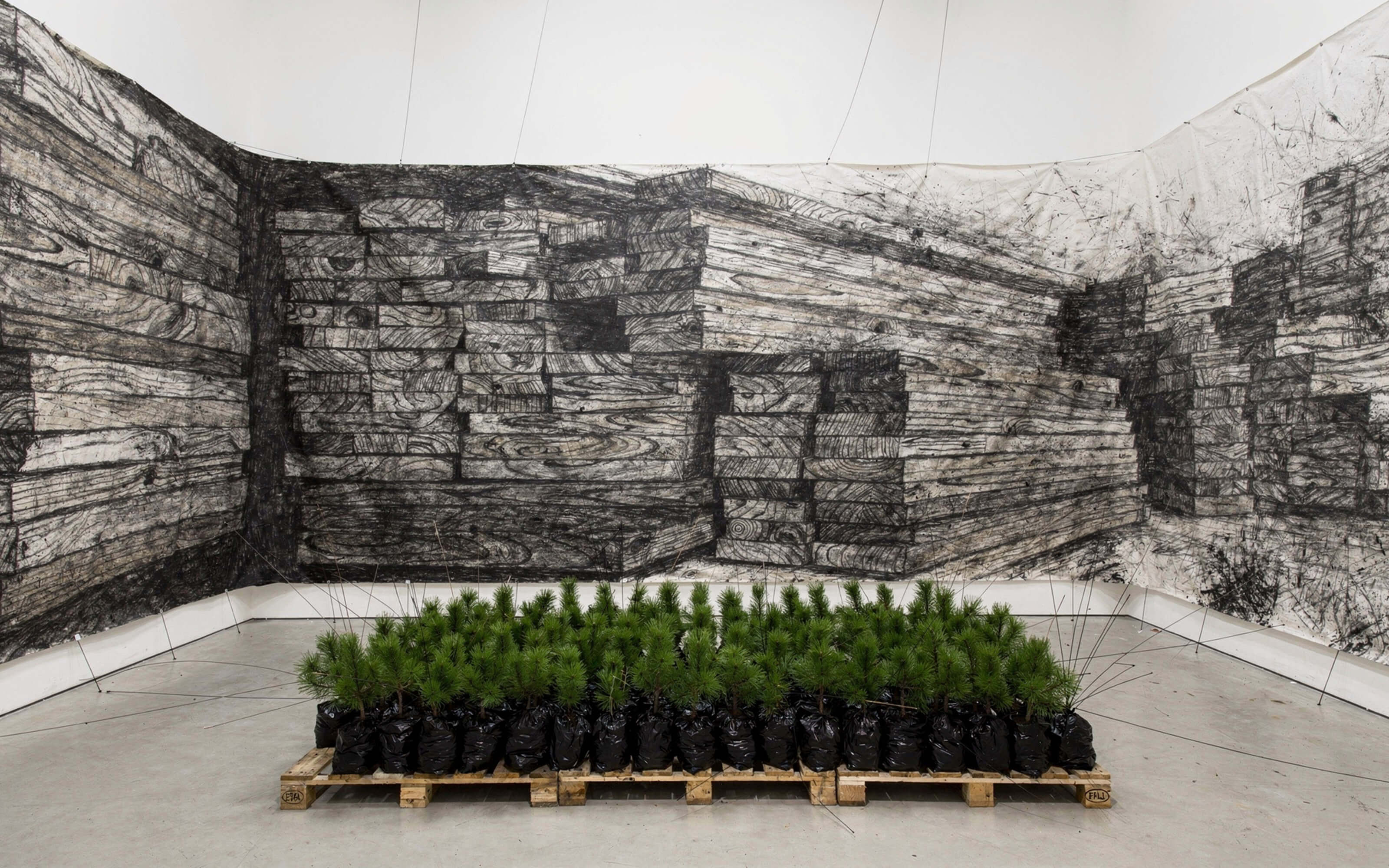
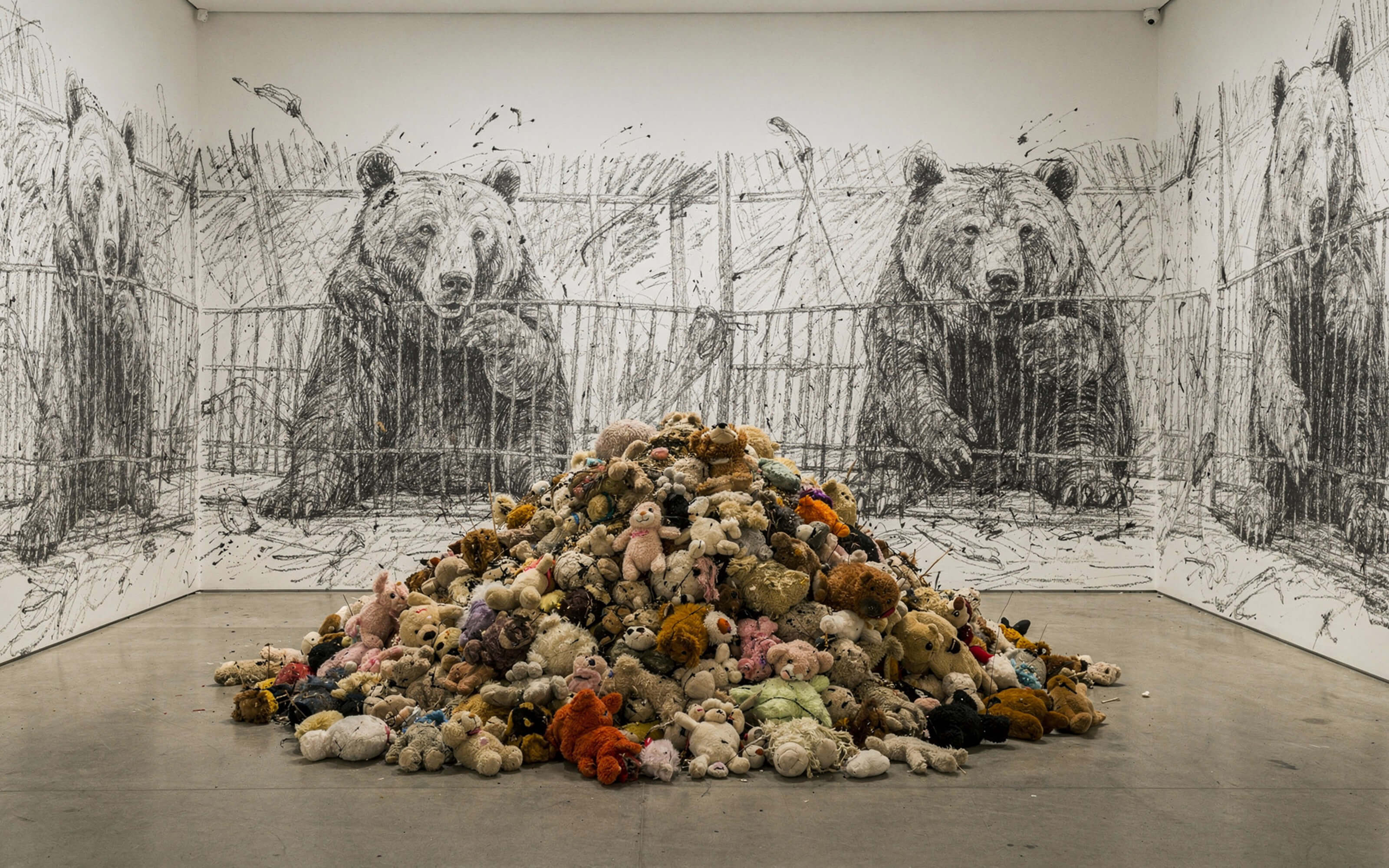
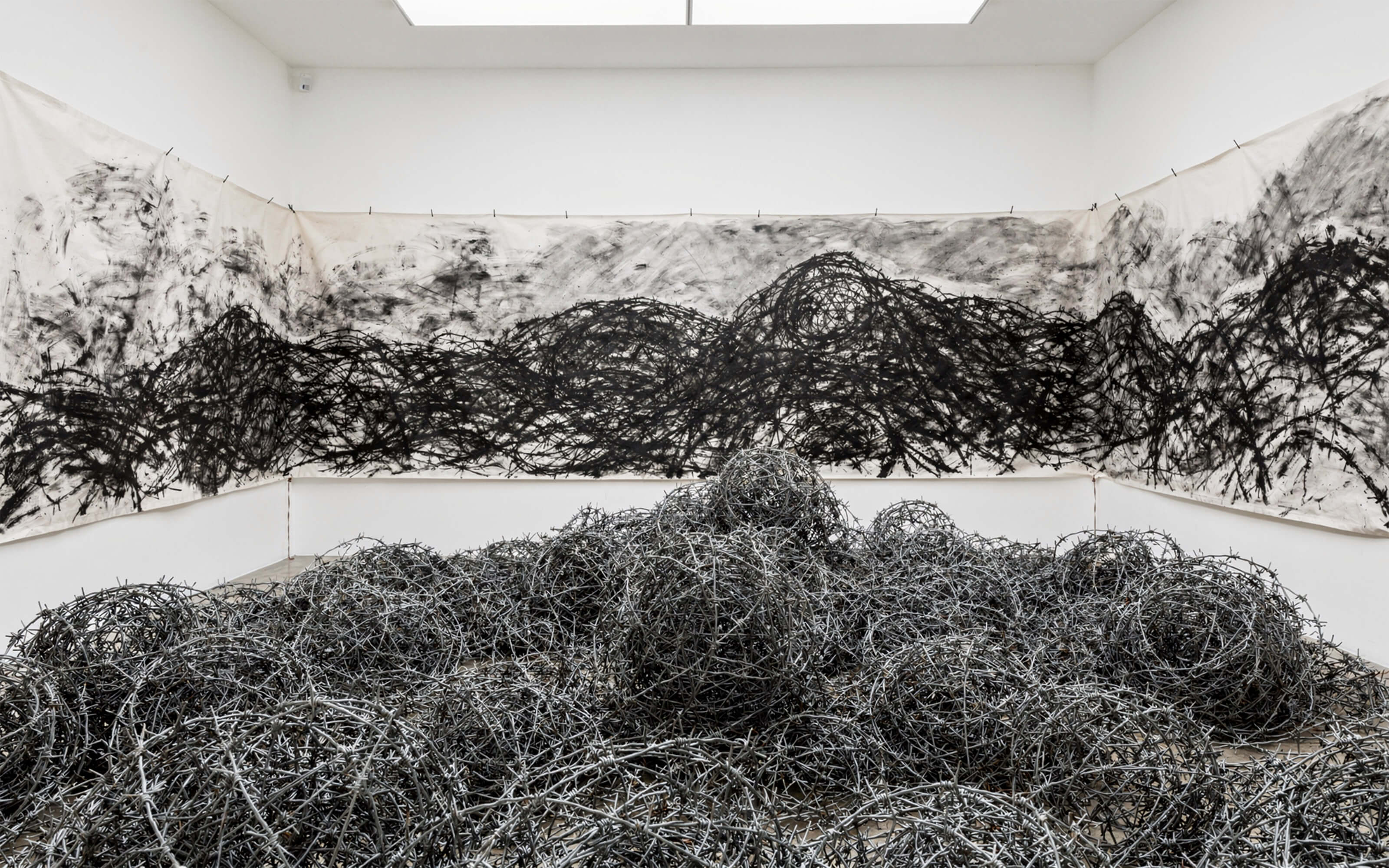
Obra de YOel Almaguer 1 Obra de YOel Almaguer 2 Obra de YOel Almaguer 3 Obra de YOel Almaguer 4 Obra de YOel Almaguer 5 Obra de YOel Almaguer 6 Obra de YOel Almaguer 7 Obra de YOel Almaguer 8 Obra de YOel Almaguer 9 Obra de YOel Almaguer 10 Obra de YOel Almaguer 11 Obra de YOel Almaguer 12 Obra de YOel Almaguer 13 Obra de YOel Almaguer 14 Obra de YOel Almaguer 15 Obra de YOel Almaguer 16 Obra de YOel Almaguer 17 Obra de YOel Almaguer 18 Obra de YOel Almaguer 19 Obra de YOel Almaguer 20
YOel Almaguer | Digital AI | 2025
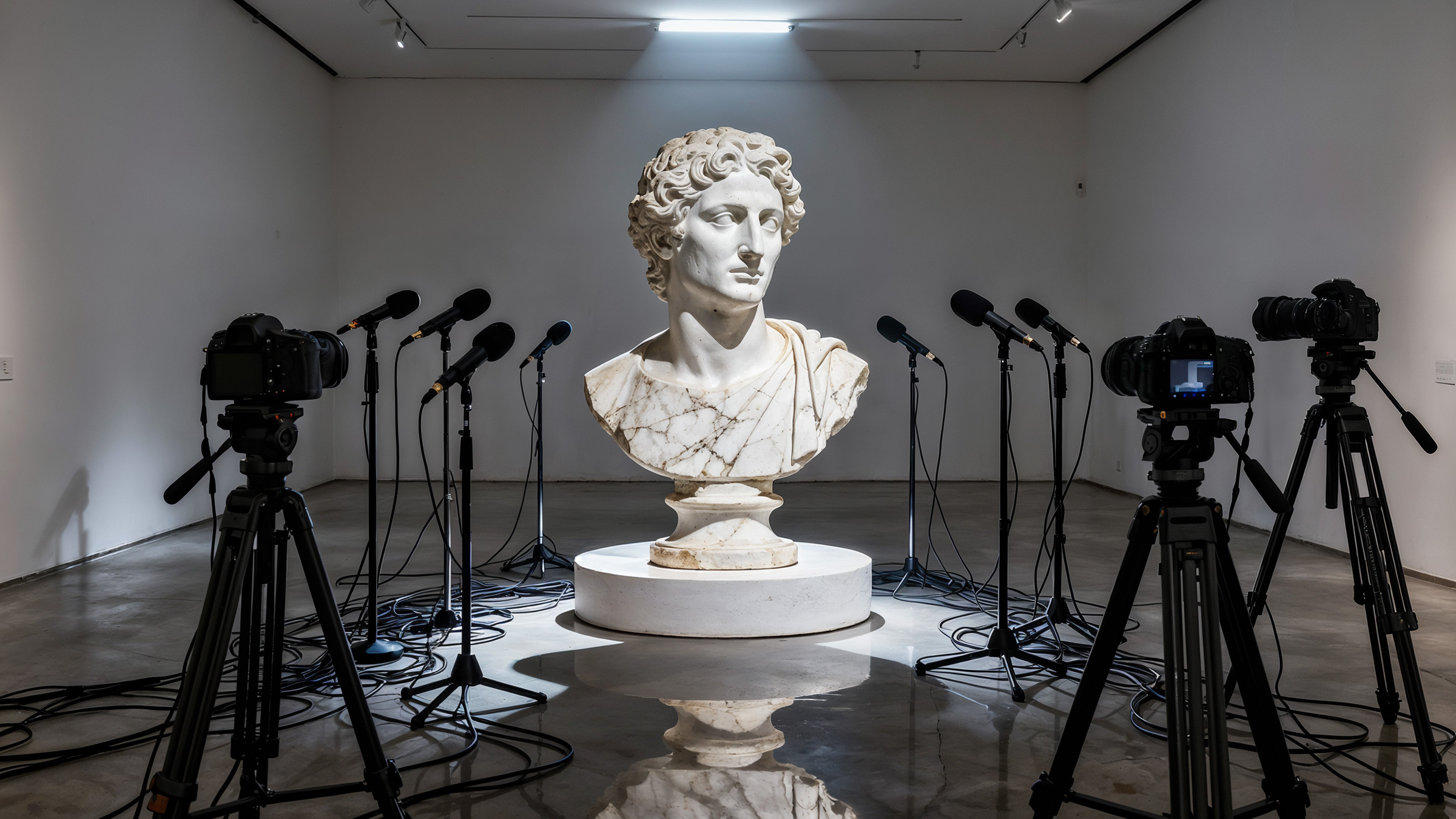
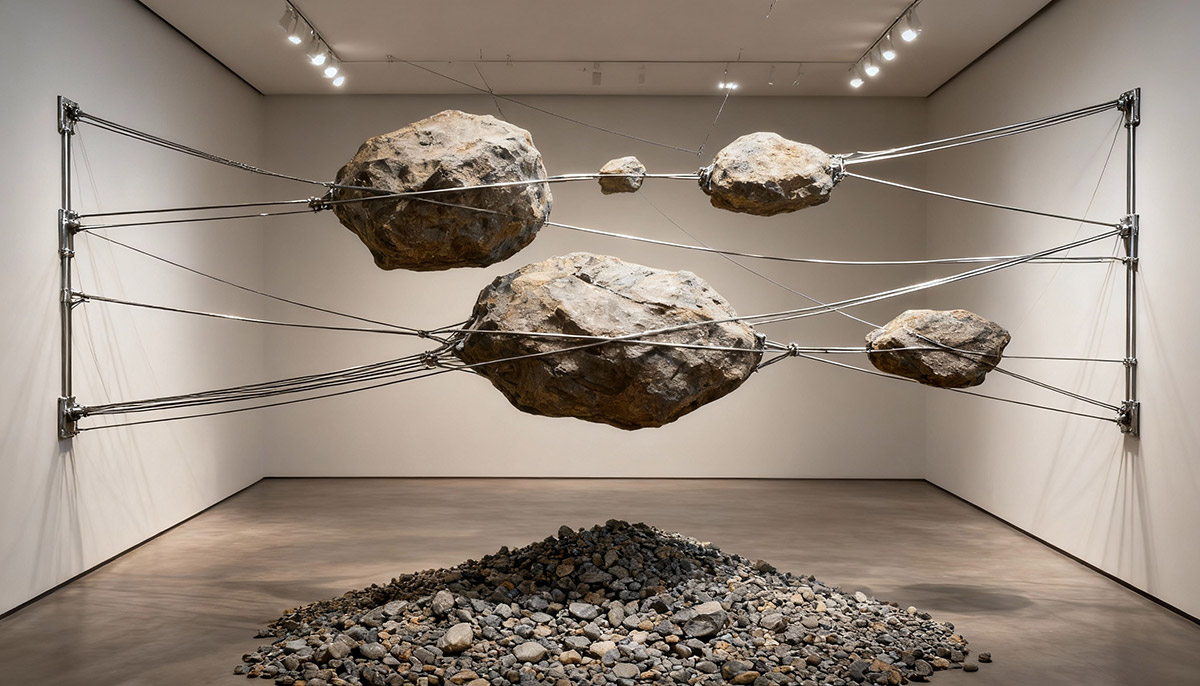
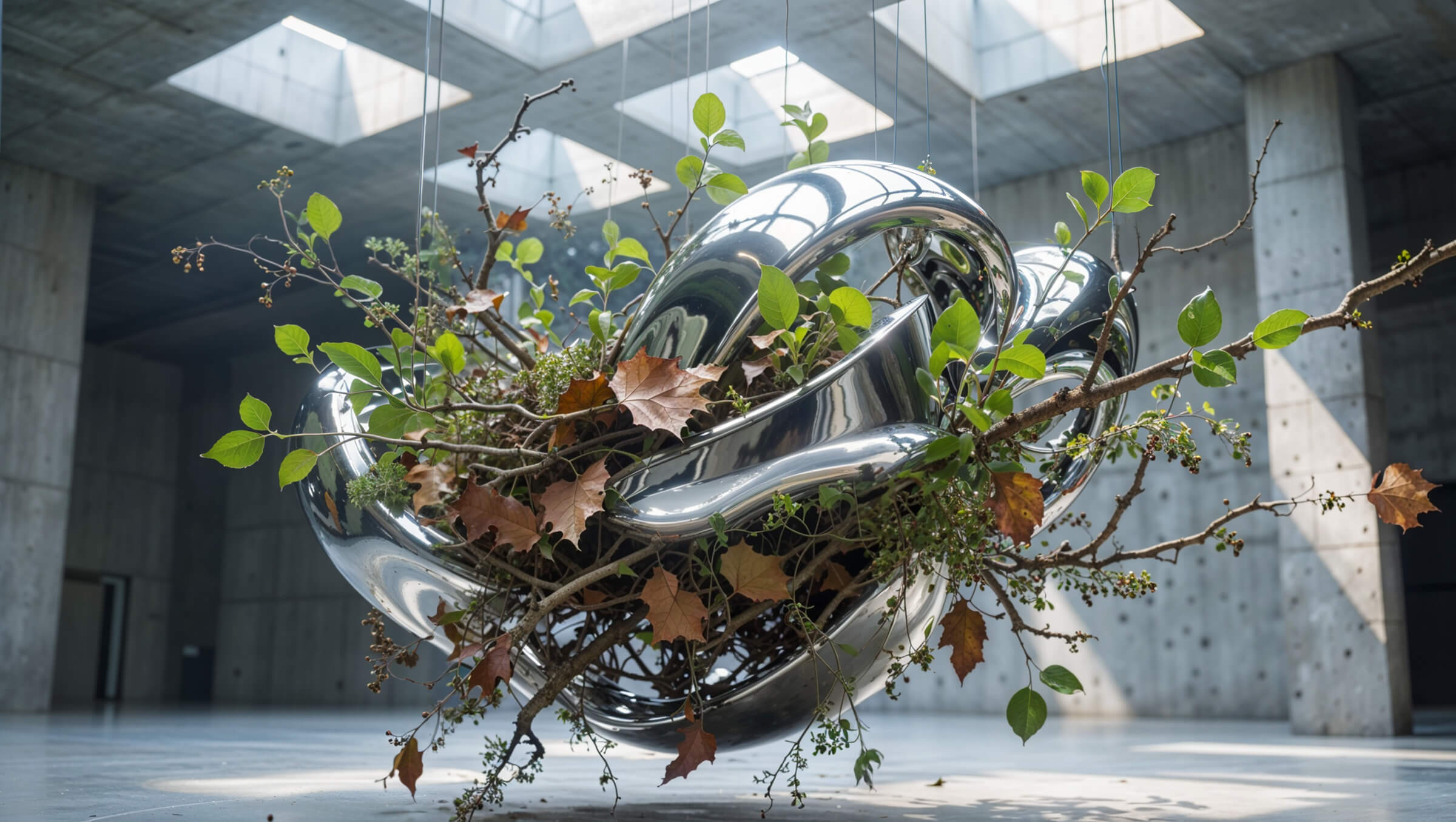
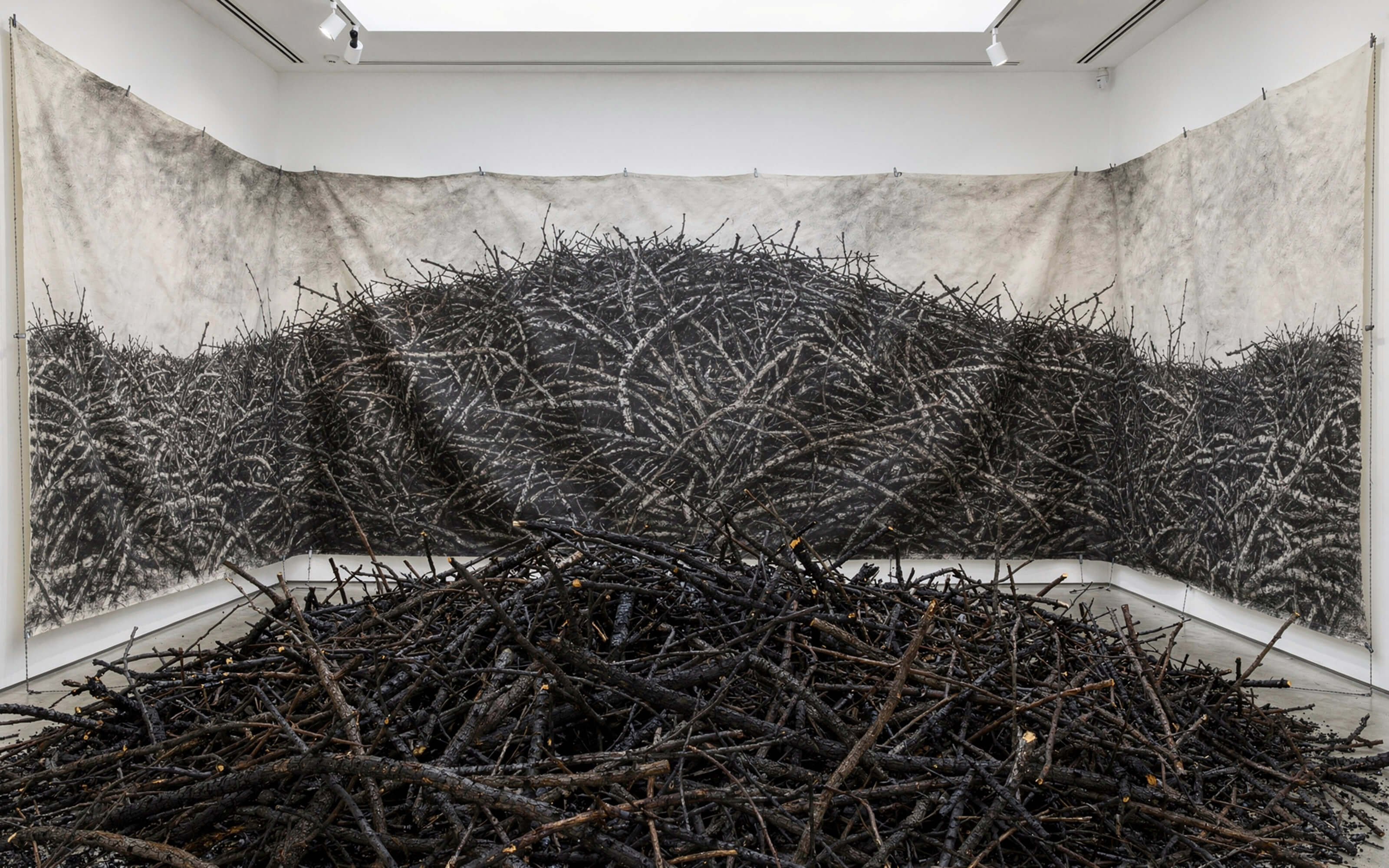
Obra relacionada con el capítulo I

I. Anatomía de lo visible

Las imágenes cambian con cada tecnología que atraviesa la historia del arte. Mucho antes de la inteligencia artificial actual existieron procesos autónomos capaces de producir configuraciones visuales sin intervención directa en cada trazo: desde las máquinas de dibujo de Jean Tinguely1 hasta los experimentos algorítmicos de los años sesenta y setenta2.

En esta línea, la obra “One and Three Chairs” de Joseph Kosuth3 no pertenece al ámbito generativo, pero señala un problema que hoy adquiere una nueva dimensión: las distintas formas de existencia de la imagen. No sustituye ningún modelo anterior; simplemente amplía el espacio donde la imagen se articula sin necesidad de un referente físico.

El ecosistema visual contemporáneo está definido por pantallas, desplazamientos y circulaciones digitales. La mayoría de las imágenes no viven en la estabilidad del objeto, sino en un flujo constante. El arte participa de ese contexto y lo reinterpreta.
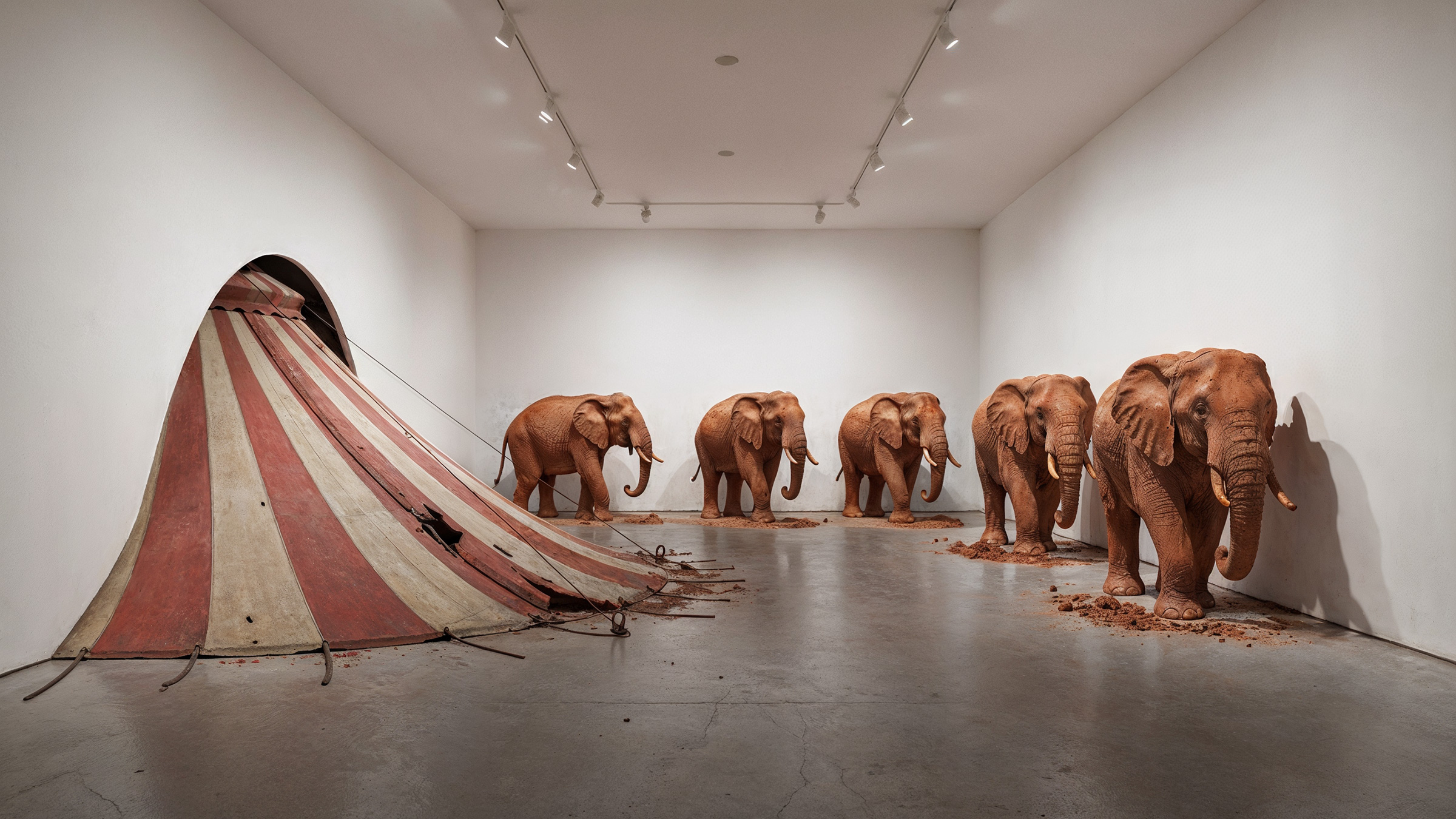
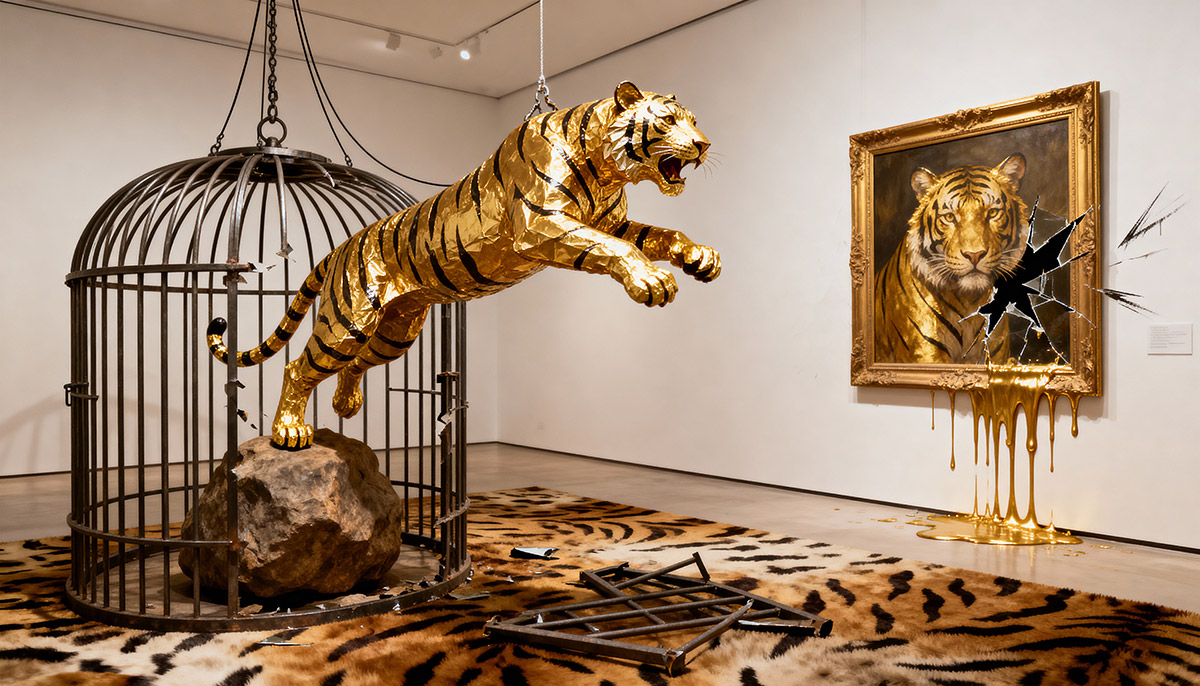
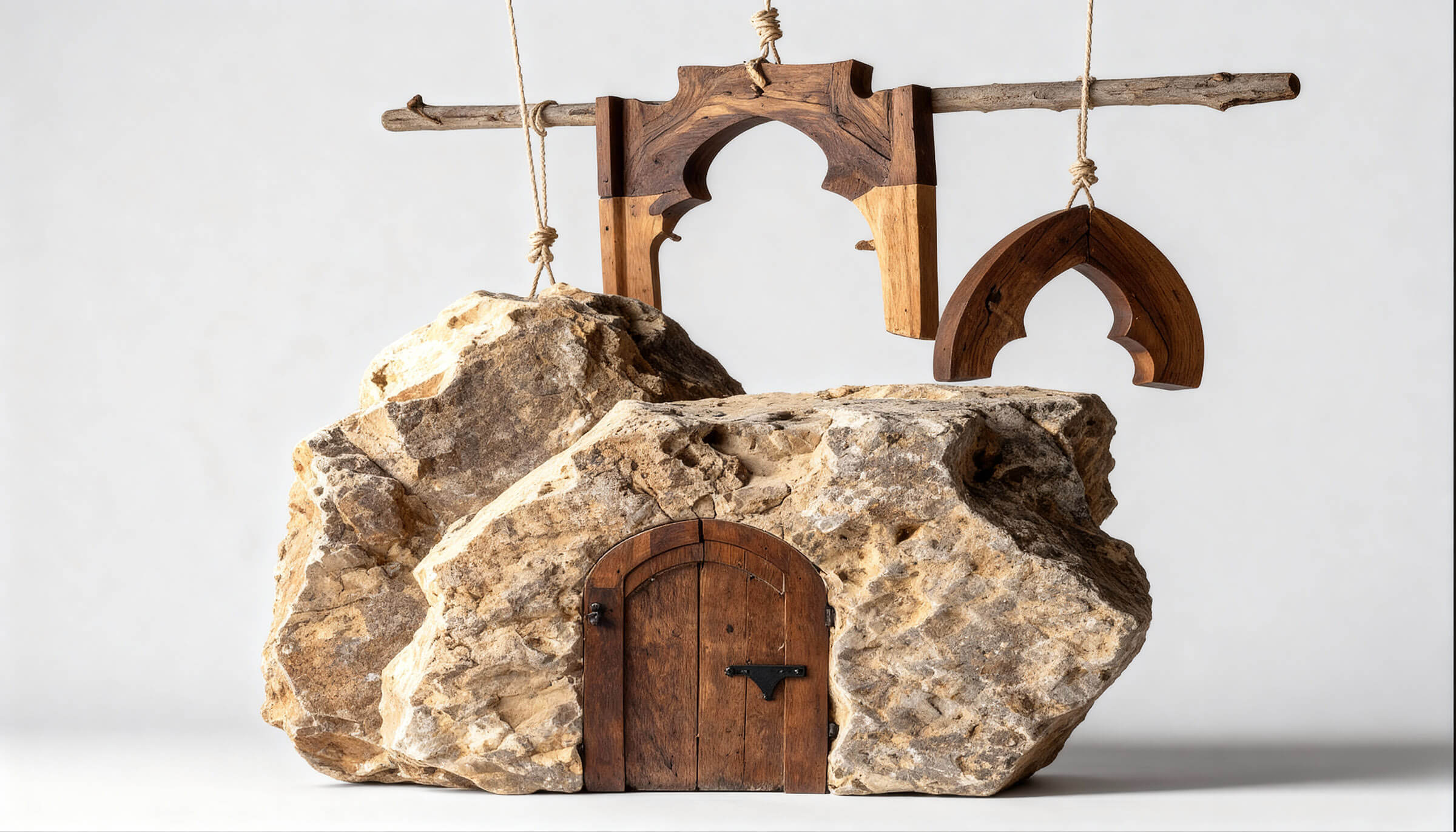
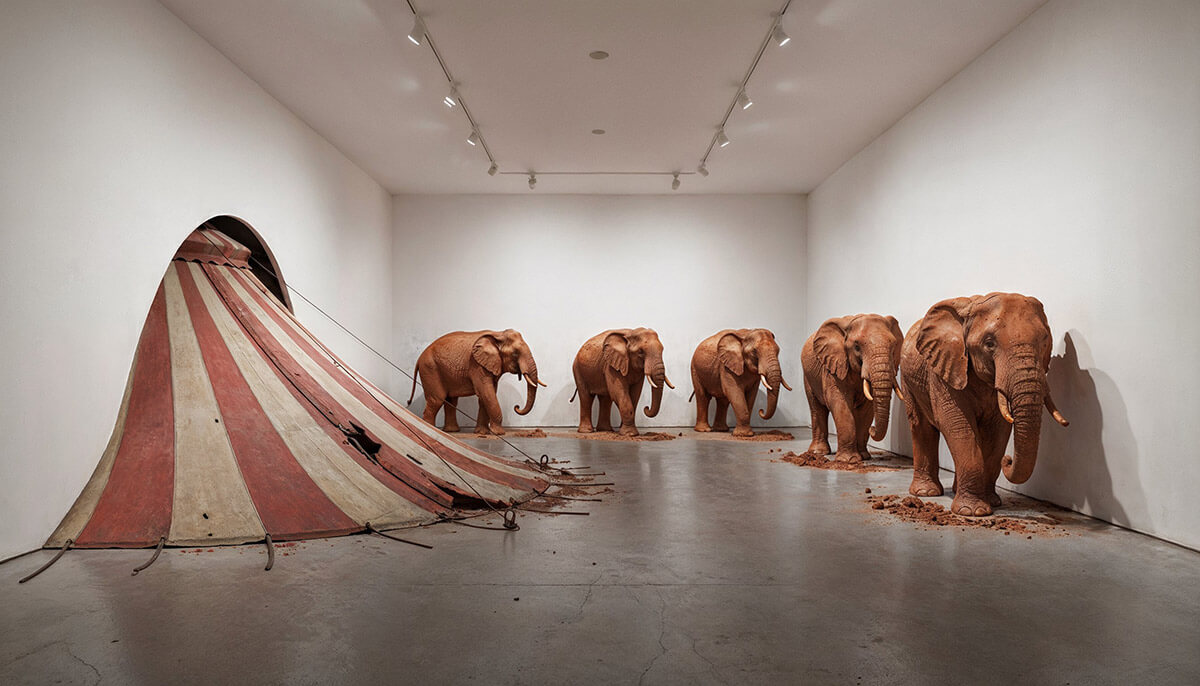
Obra relacionadas con el capítulo II

II. El hilo digital

La incorporación de la IA en mi práctica no fue un salto, sino una continuidad. Desde mi trabajo digital anterior, la imagen ya funcionaba como espacio de negociación entre lo material y lo virtual. En aquellas obras, la superficie pictórica se mezclaba con la superficie digital no para imitar un medio en particular, sino para explorar la forma en que la imagen puede comportarse como si tuviera cuerpo sin depender de un soporte físico. (Ver artículo de la crítica y curadora Suset Sánchez)4

El debate que rodea hoy al arte generativo repite el debate que existió cuando el arte digital comenzaba a difundirse. Entonces se cuestionaba su legitimidad, su estatuto y su relación con la tradición material. Esa discusión no ha cambiado tanto: solo se ha desplazado de un medio a otro.

Lo que permanece constante es la construcción de sentido en un entorno donde la imagen ya no está atada a los límites físicos de un objeto. La IA intensifica esa cuestión. No es una respuesta, sino una ampliación del campo donde la imagen se piensa a sí misma y donde los lenguajes se mezclan sin jerarquías. En este contexto, la necesidad de un soporte físico deja de ser una condición para la experiencia de la obra.
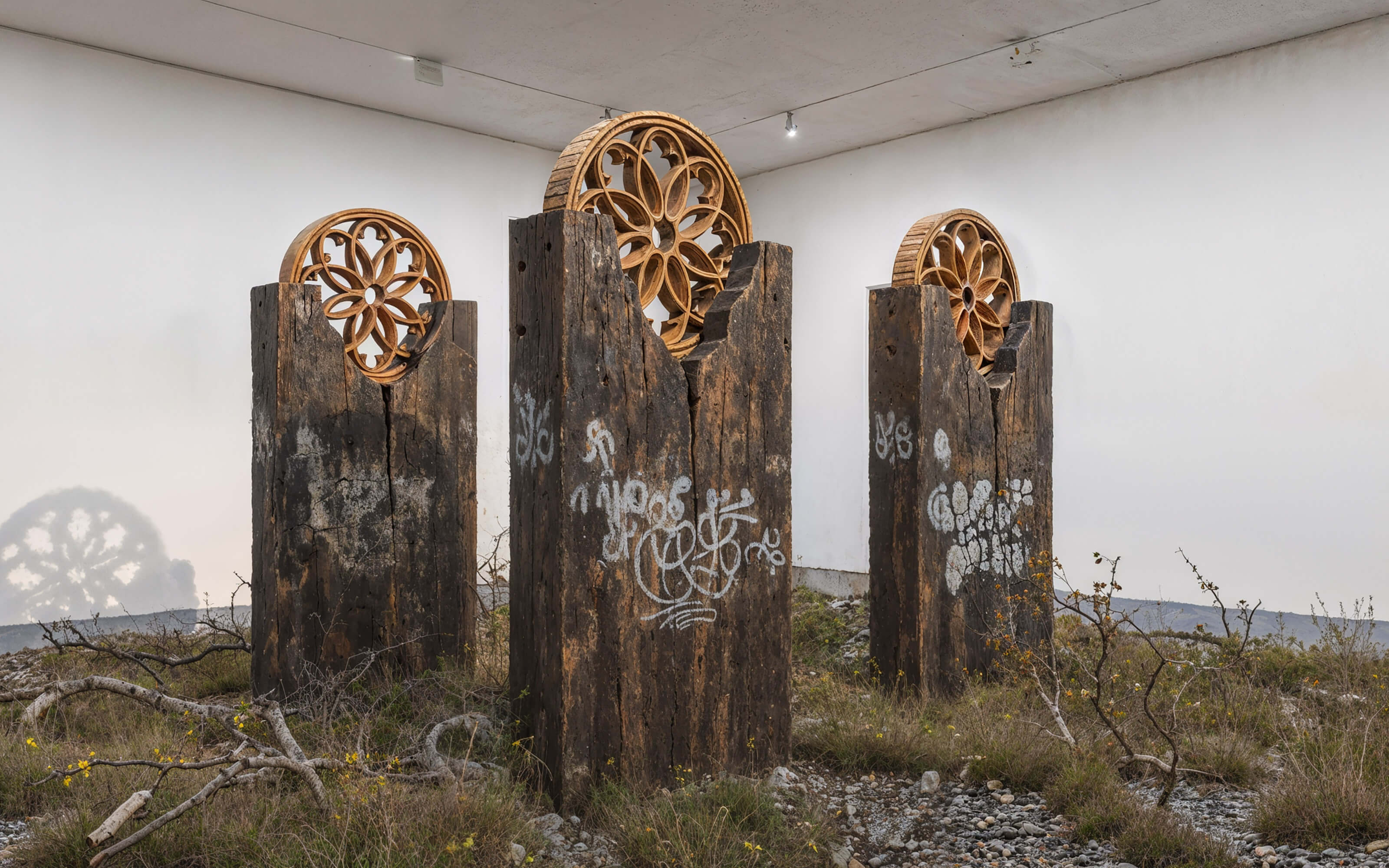
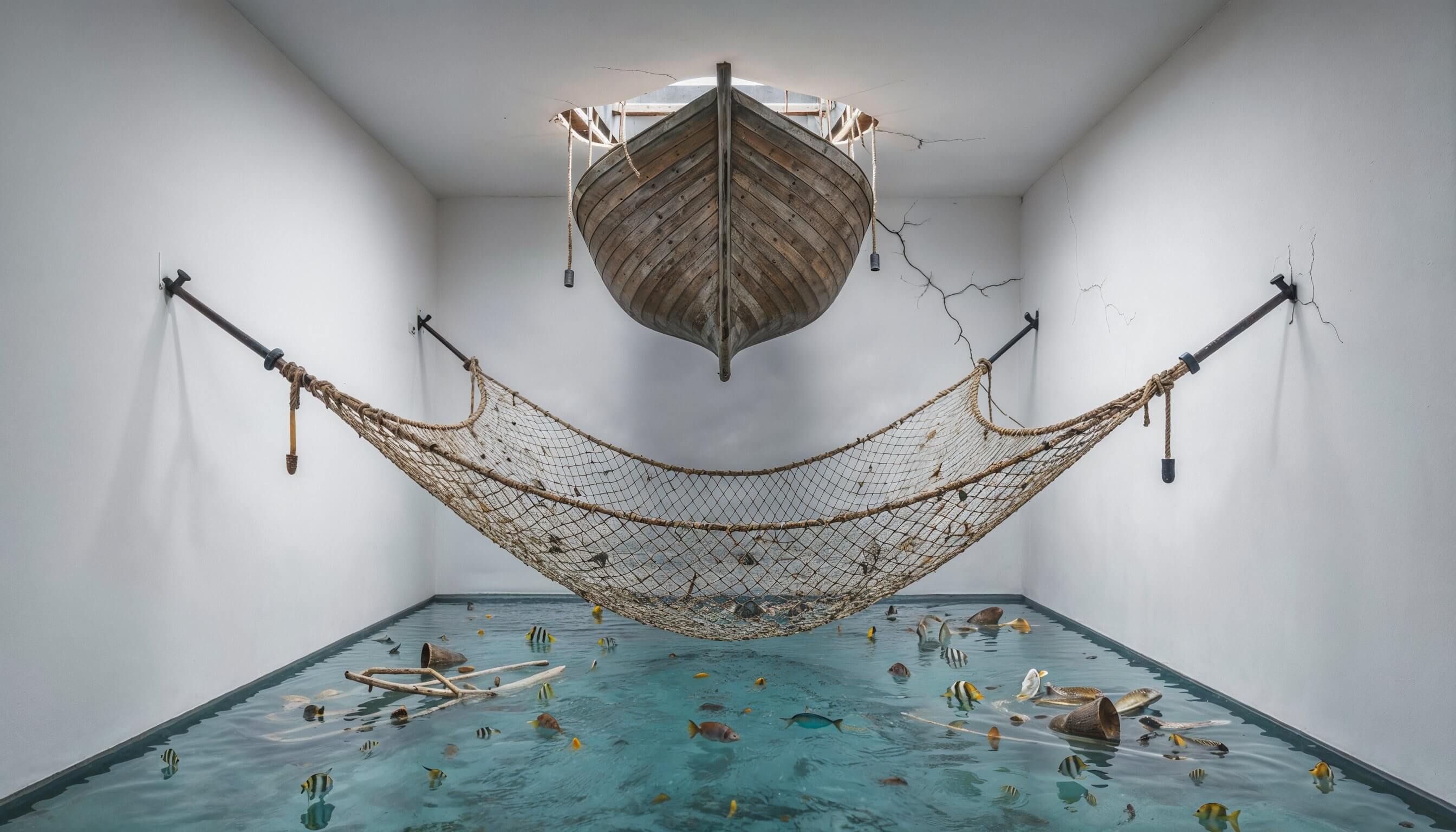
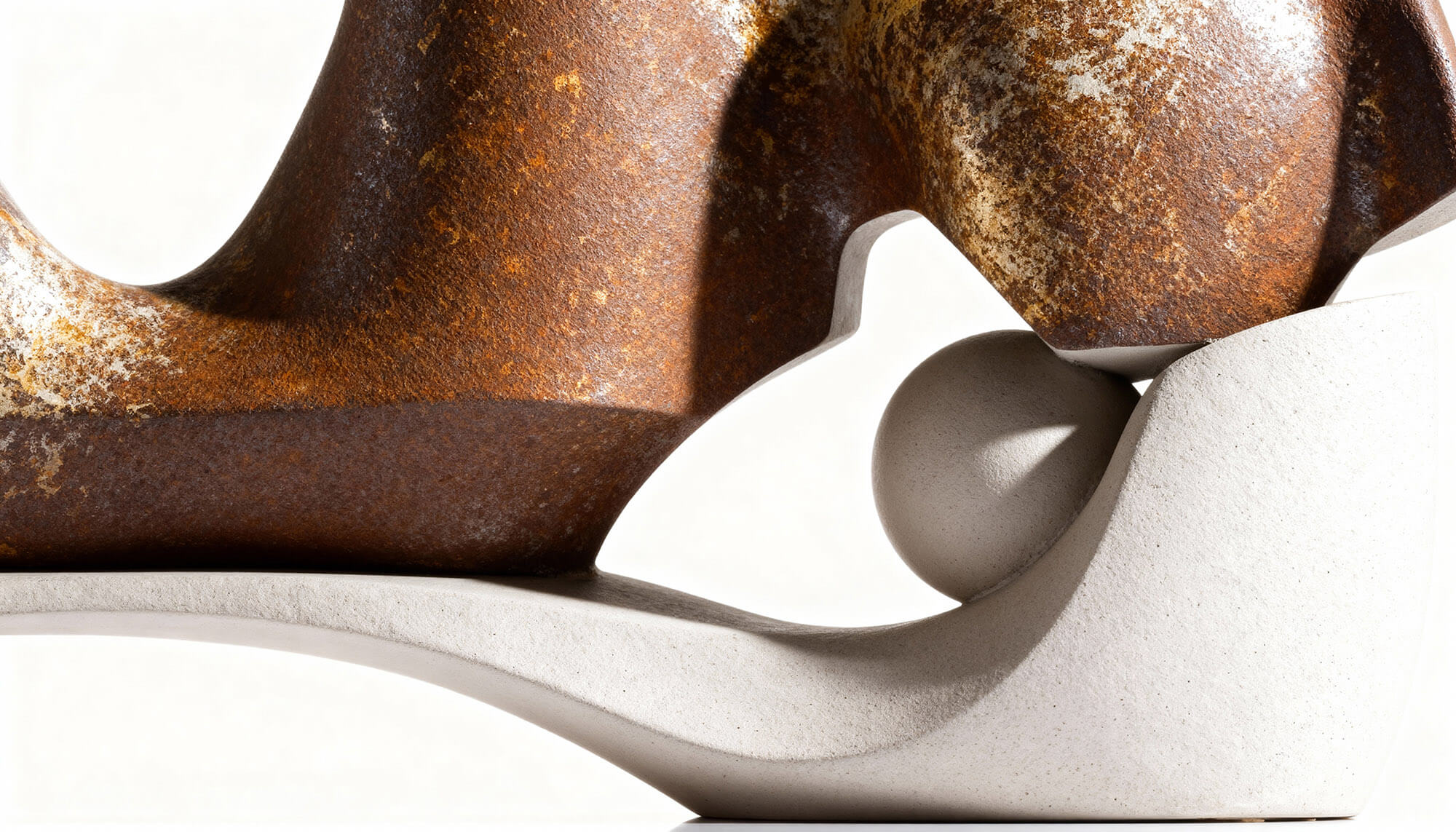
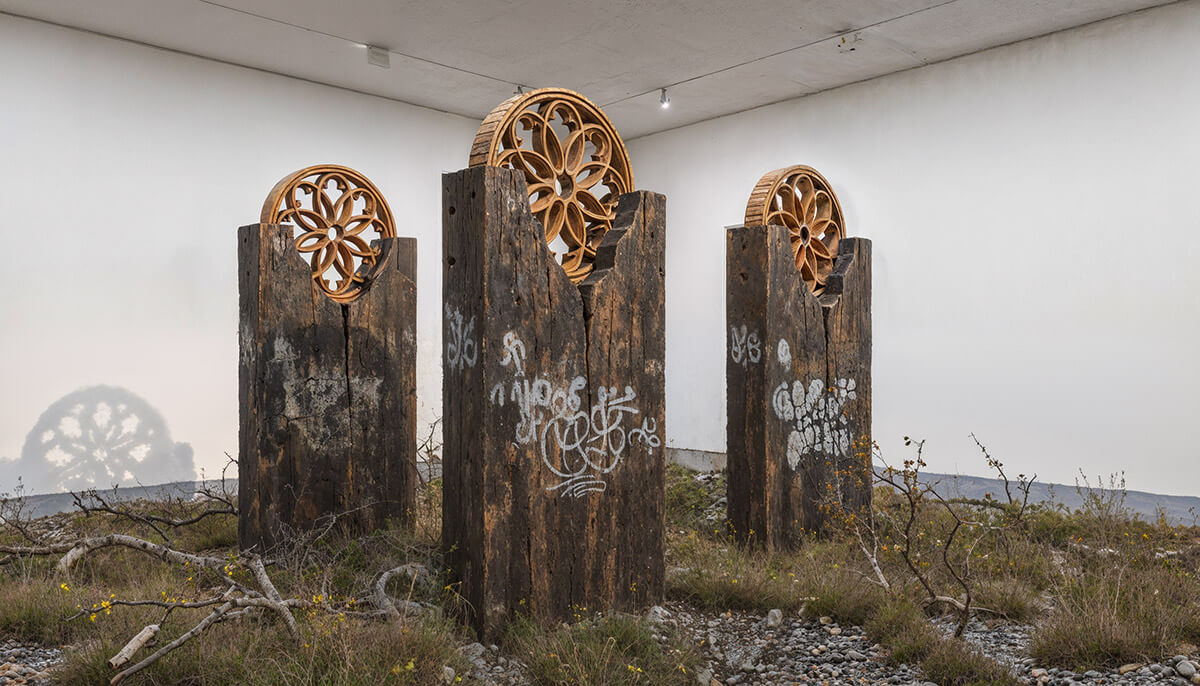
Obra relacionada con el capítulo III

III. La materia inmaterial

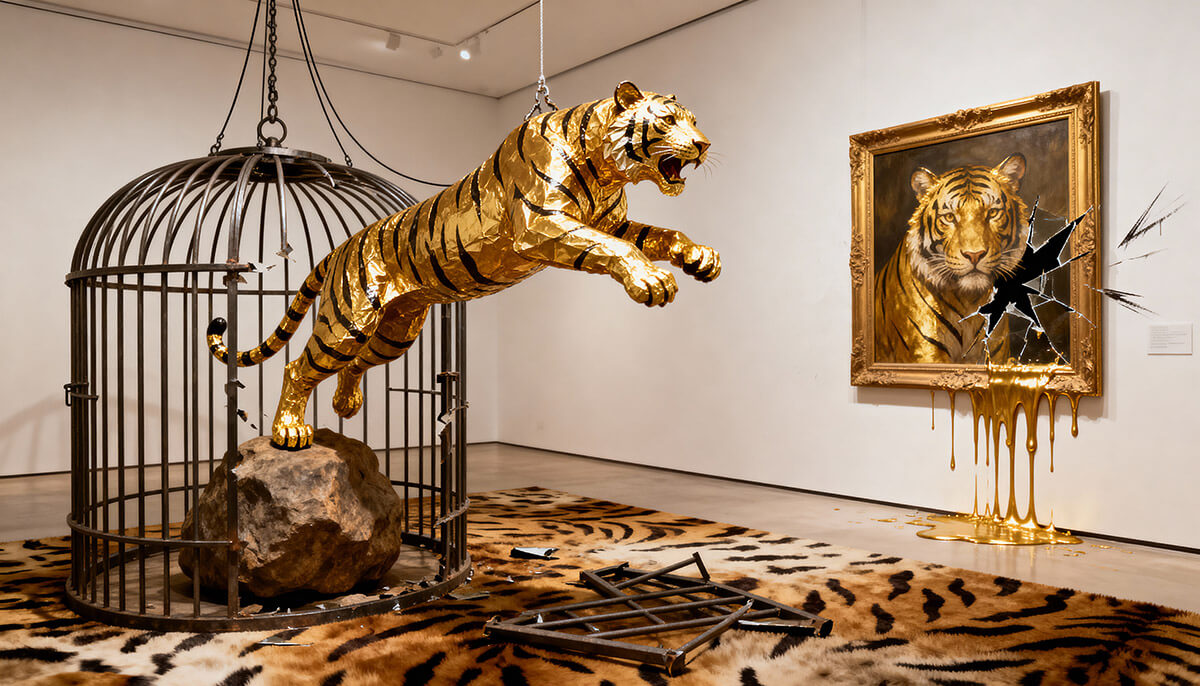
Mi trabajo reciente se desarrolla en un espacio donde la imagen adopta comportamientos propios de lo material sin que exista un cuerpo que los sostenga. No son esculturas reales ni cerámicas, pero funcionan como tales dentro del orden visual. Su intensidad proviene de la manera en que simulan peso, aire, densidad o fragilidad sin recurrir a ningún soporte físico.

Estas imágenes operan como hipótesis materiales: formas que parecen estar a un paso de convertirse en objeto, pero que permanecen en un estado previo. La IA permite explorar ese umbral no como un atajo técnico, sino como un espacio donde lo escultórico se define por percepción y no por materia. En este contexto, la materia deja de ser una garantía de realidad.

La sensación de presencia no surge de introducir materiales digitales, sino de la estructura interna de la imagen: la manera en que ocupa el espacio, la forma en que la luz la construye, el modo en que su comportamiento visual remite a algo que podría existir, aunque nunca lo haga.

En ese sentido, la IA no reemplaza lenguajes; los vuelve permeables entre sí. Trabajar así implica aceptar que lo tangible puede ser simulado sin perder potencia, y que lo inmaterial puede generar una experiencia sólida. La materia es una posibilidad, no una condición, y su presencia deja de ser el criterio que define la existencia de la obra.
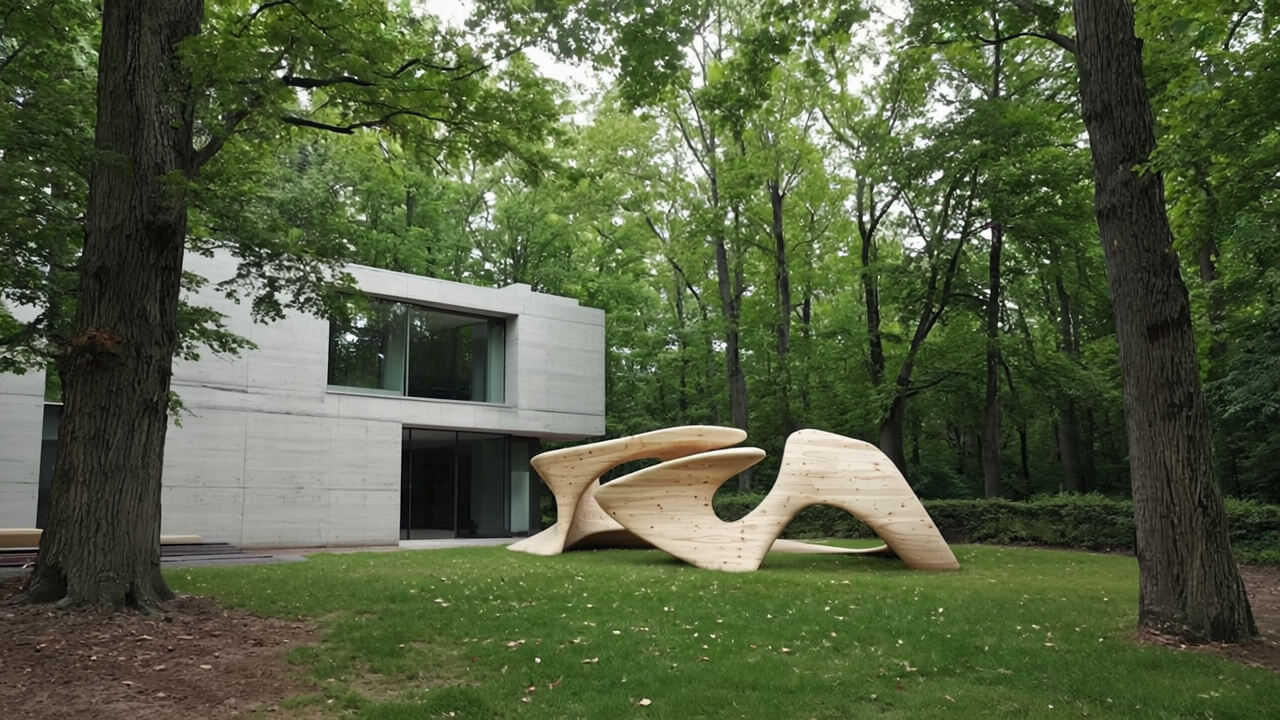
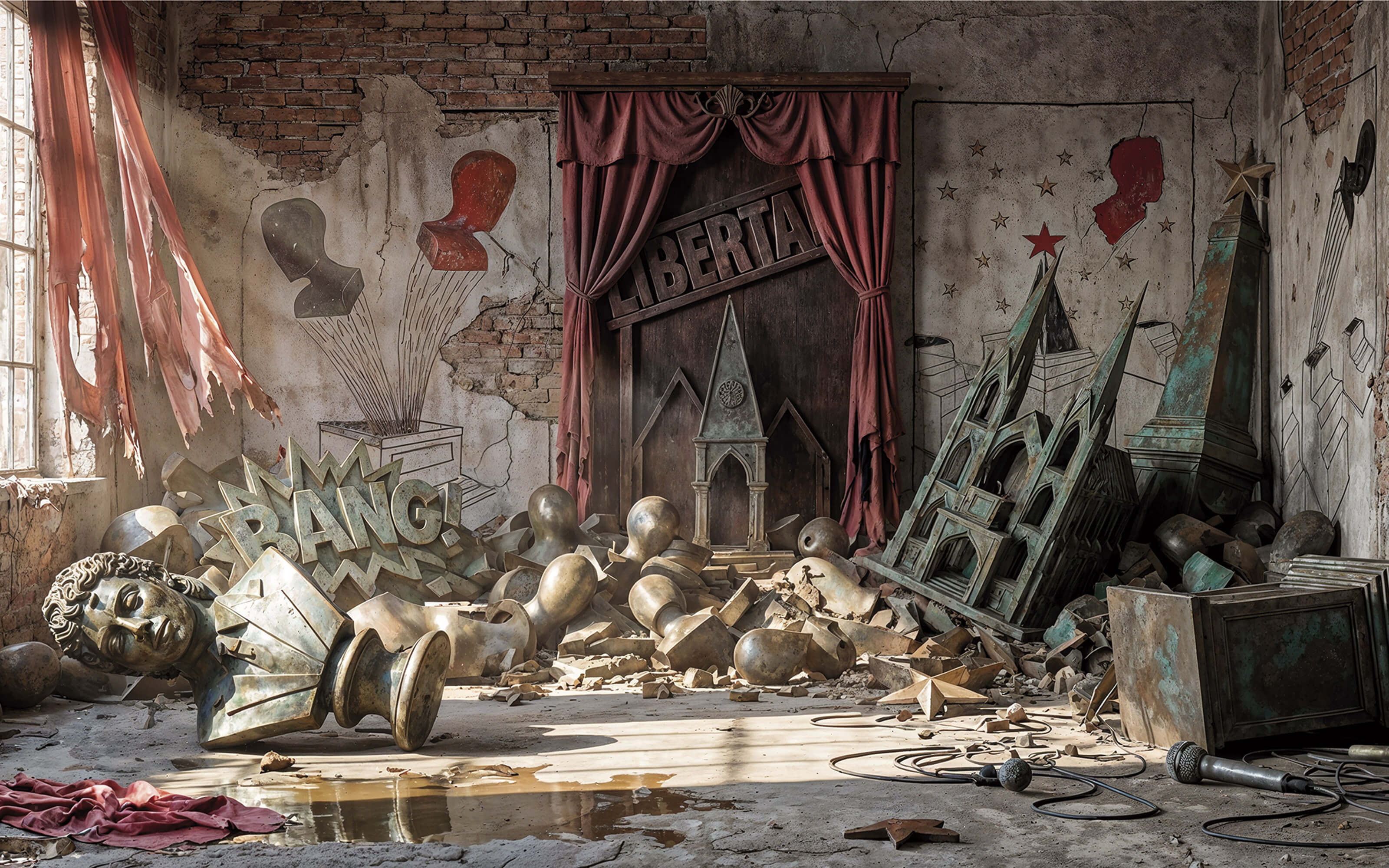
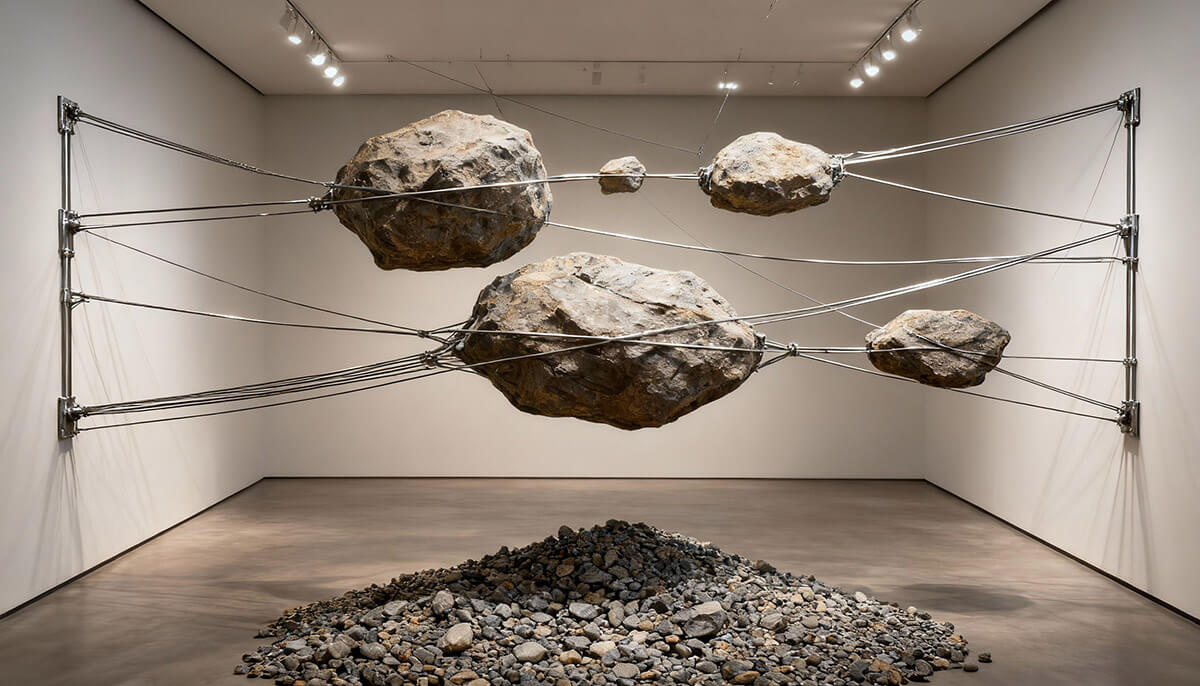
Obra relacionada con el capítulo IV

IV. Ecos de la imagen

Las herramientas cambian, pero la necesidad de construir sentido permanece. La IA expande el territorio de las formas posibles, pero no decide qué imágenes merecen convertirse en obra. Esa responsabilidad depende de la mirada que organiza, selecciona y da coherencia a lo que emerge.

El soporte no determina el valor de una pieza, ni garantiza su realidad. Una imagen digital puede generar intensidad sin un cuerpo físico, igual que una obra material puede no tener resonancia a pesar de su presencia tangible. Lo decisivo no es la técnica, sino la capacidad de una imagen para crear un espacio perceptivo que permita pensar o sentir de otra manera.

Lo generativo no anula la autoría, pero la obliga a redefinirse. La imagen ya no es solo un producto del gesto humano, sino una colaboración entre sistemas distintos de interpretación. El artista no deja de estar presente, pero su papel se desplaza hacia la configuración conceptual, hacia la organización de un campo visual que excede lo manual.

La responsabilidad de construir sentido sigue recayendo en el artista, por ahora.

Notas

  • 1 En 1959, Jean Tinguely desarrolló sus “Métamatics”, máquinas automáticas capaces de producir dibujos mediante mecanismos motorizados no controlados directamente por el artista. (ver enlace )
  • 2 Durante los años sesenta, Frieder Nake, Vera Molnar y Georg Nees exploraron el arte algorítmico basado en reglas matemáticas. (ver enlace )
  • 3 Joseph Kosuth presentó “One and Three Chairs” en 1965, una obra que explora la relación entre objeto, representación y lenguaje. (ver enlace )
  • 4 En el artículo “YOel Almaguer: Dialéctica de la imagen, el píxel y el pigmento”, Suset Sánchez analiza cómo el artista trabaja desde el simulacro: trompe-l’œil, objetos cotidianos reinterpretados como pintura expandida, y transiciones entre fotografía, objeto y superficie pictórica. Describe su obra como situada “en ese espacio intersticial entre el píxel y el pigmento”, donde la ilusión objetual funciona para “engatusar al espectador” y revelar las mediaciones perceptivas que estructuran nuestra lectura de las imágenes. (ver enlace )

THE ECHO OF THE IMAGE

From digital art to AI-generated practices

/

“The condition of the image is redefined in a context where its existence no longer depends on an object. In this space, it can simulate behaviors inherent to matter without possessing them, shifting the experience of the material into the realm of perception. Far from constituting a rupture, artificial intelligence, in its generative dimension, extends the transformations initiated by digital art, expanding a field in which languages become permeable and hierarchies are diluted. In this scenario, the value of the work does not reside in its support, but in its capacity to trigger an experience that reconfigures the relationship between image, matter, and reality.”

Portrait of YOel Almaguer

YOel Almaguer

Artwork by YOel Almaguer 1 Artwork by YOel Almaguer 2 Artwork by YOel Almaguer 3 Artwork by YOel Almaguer 4 Artwork by YOel Almaguer 5 Artwork by YOel Almaguer 6 Artwork by YOel Almaguer 7 Artwork by YOel Almaguer 8 Artwork by YOel Almaguer 9 Artwork by YOel Almaguer 10 Artwork by YOel Almaguer 11 Artwork by YOel Almaguer 12 Artwork by YOel Almaguer 13 Artwork by YOel Almaguer 14 Artwork by YOel Almaguer 15 Artwork by YOel Almaguer 16 Artwork by YOel Almaguer 17 Artwork by YOel Almaguer 18 Artwork by YOel Almaguer 19 Artwork by YOel Almaguer 20
YOel Almaguer | Digital AI | 2025
Artwork related to Chapter I

I. Anatomy of the Visible

Images shift with every technology that crosses the history of art. Long before contemporary artificial intelligence, there were autonomous processes capable of producing visual configurations without direct intervention in every stroke: from the drawing machines of Jean Tinguely1 to the algorithmic experiments of the 1960s and 1970s2.

In this line, the work “One and Three Chairs” by Joseph Kosuth3 does not belong to the generative field, yet it points to a problem that today acquires a new dimension: the different forms in which an image can exist. It does not replace any previous model; it simply expands the space where the image is articulated without the need for a physical referent.

The contemporary visual ecosystem is defined by screens, displacements, and digital circulations. Most images do not live in the stability of the object, but in a constant flow. Art participates in that context and reinterprets it.

Artwork related to Chapter II

II. The Digital Thread

The incorporation of AI into my practice was not a rupture, but a continuity. From my previous digital work, the image already functioned as a negotiation space between the material and the virtual. In those works, the pictorial surface blended with the digital surface, not to imitate a particular medium, but to explore how the image can behave as if it had a body without depending on a physical support. (See article by critic and curator Suset Sánchez)4

The debate surrounding generative art today repeats the debate that existed when digital art began to spread. At that time, its legitimacy, its status, and its relationship with material tradition were questioned. That discussion has not changed so much: it has simply shifted from one medium to another.

What remains constant is the construction of meaning in an environment where the image is no longer tied to the physical limits of an object. AI intensifies that issue. It is not an answer, but an expansion of the field where the image thinks itself and where languages blend without hierarchies. In this context, the need for a physical support ceases to be a condition for the experience of the work.

Artwork related to Chapter III

III. Immaterial Matter

My recent work takes place in a space where the image adopts behaviors typical of the material without any physical body to sustain them. They are not real sculptures or ceramics, but they function as such within the visual order. Their intensity comes from the way they simulate weight, air, density, or fragility without resorting to any physical support.

These images operate as material hypotheses: forms that seem to be one step away from becoming an object, but remain in a previous state. AI allows that threshold to be explored not as a technical shortcut, but as a space where the sculptural is defined by perception and not by matter. In this context, matter ceases to be a guarantee of reality.

The sense of presence does not arise from introducing digital materials, but from the internal structure of the image: the way it occupies space, the way light builds it, the way its visual behavior refers to something that could exist, even if it never does.

In this sense, AI does not replace languages; it makes them permeable to each other. Working this way implies accepting that the tangible can be simulated without losing potency, and that the immaterial can generate a solid experience. Matter is a possibility, not a condition, and its presence ceases to be the criterion that defines the existence of the work.

Artwork related to Chapter IV

IV. Echoes of the Image

Tools change, but the need to construct meaning remains. AI expands the territory of possible forms, but it does not decide which images deserve to become a work of art. That responsibility depends on the gaze that organizes, selects, and gives coherence to what emerges.

The support does not determine the value of a piece, nor does it guarantee its reality. A digital image can generate intensity without a physical body, just as a material work can lack resonance despite its tangible presence. What is decisive is not the technique, but the capacity of an image to create a perceptual space that allows one to think or feel in a different way.

Generative processes do not annul authorship, but force it to redefine itself. The image is no longer just a product of human gesture, but a collaboration between different systems of interpretation. The artist does not cease to be present, but their role shifts toward conceptual configuration, toward the organization of a visual field that exceeds the manual.

The responsibility for constructing meaning still falls on the artist, for now.